

Pasta Dough 101
Pasta Dough 101
Pasta dough is one of those must-have knowledge tools in every cook’s kitchen. I love how endless the options are for my creativity, and the added effort always pays off with an absolutely delicious meal. With just a few simple ingredients, you can make just about any shape your heart desires! But like every few-ingredient recipe, the trick to the right dough is in the process. For pasta dough, it needs to be hydrated just enough so that it won’t crack and tear from being too dry, or be too sticky from too much hydration. Luckily, there are simple steps you can take to eliminate frustration and get pasta perfect results every time.
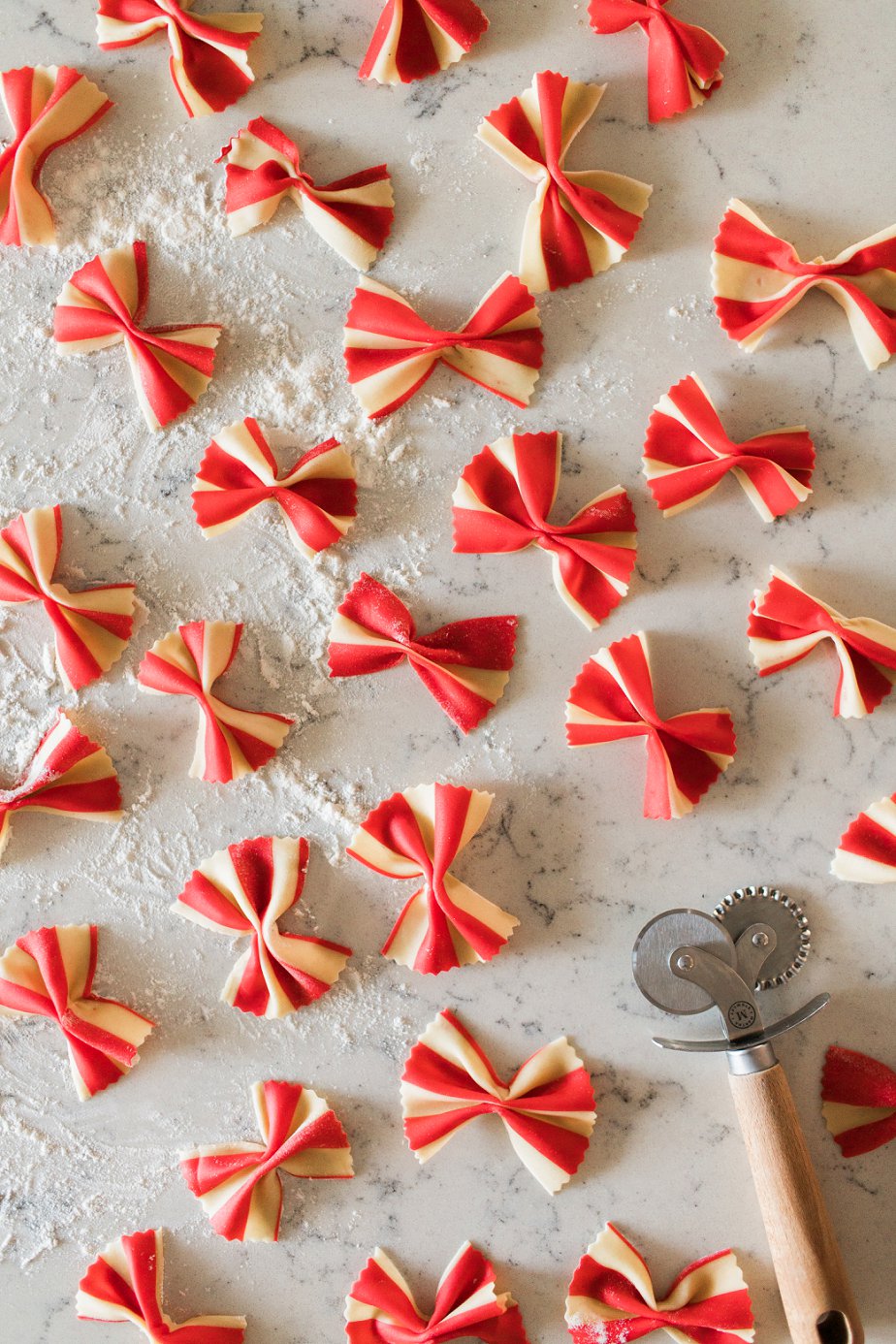
Here are my top tips and pasta tool recommendations to help you get started:
- Start with a small quantity recipe like this one below to get the basic feel of the dough. You can then double it or make several batches, color it, and flavor it in the future. This is my base recipe for all of my pasta creations, and it’s easy to alter/embellish.
- I do not suggest rolling your pasta dough by hand, but it can be done! It will just take some serious muscle and patience. I do recommend rolling it out using a machine pasta roller. There are manual rollers and electric rollers. If you are going to buy one, an electric roller is a game-changer. You can have both hands free to hold and maneuver the pasta dough, which can get quite long and difficult to handle with one hand alone. I use this Kitchen Aid attachment almost weekly. I also keep a few tools handy for additional cutting, like this bench scraper and cutter wheel.
- You can use all-purpose flour; however, the protein content and grain can create a stiffer dough. Semolina flour is the golden standard for pasta making, but if you don’t buy semolina on the regular like me, OO flour is great! I also use OO flour for pizza making, so I typically have it on hand. It will create a softer, more workable dough. I like Anna or Caputo OO flour for pasta, pizza, and focaccia.
- Two steps are absolutely crucial to the structure of the dough. Knead the dough for AT LEAST 6 minutes (you can’t really overwork pasta dough), and rest it for a full hour. These two steps help create the elastic gluten structure in the dough so that it won’t tear when you roll it out into paper-thin sheets.
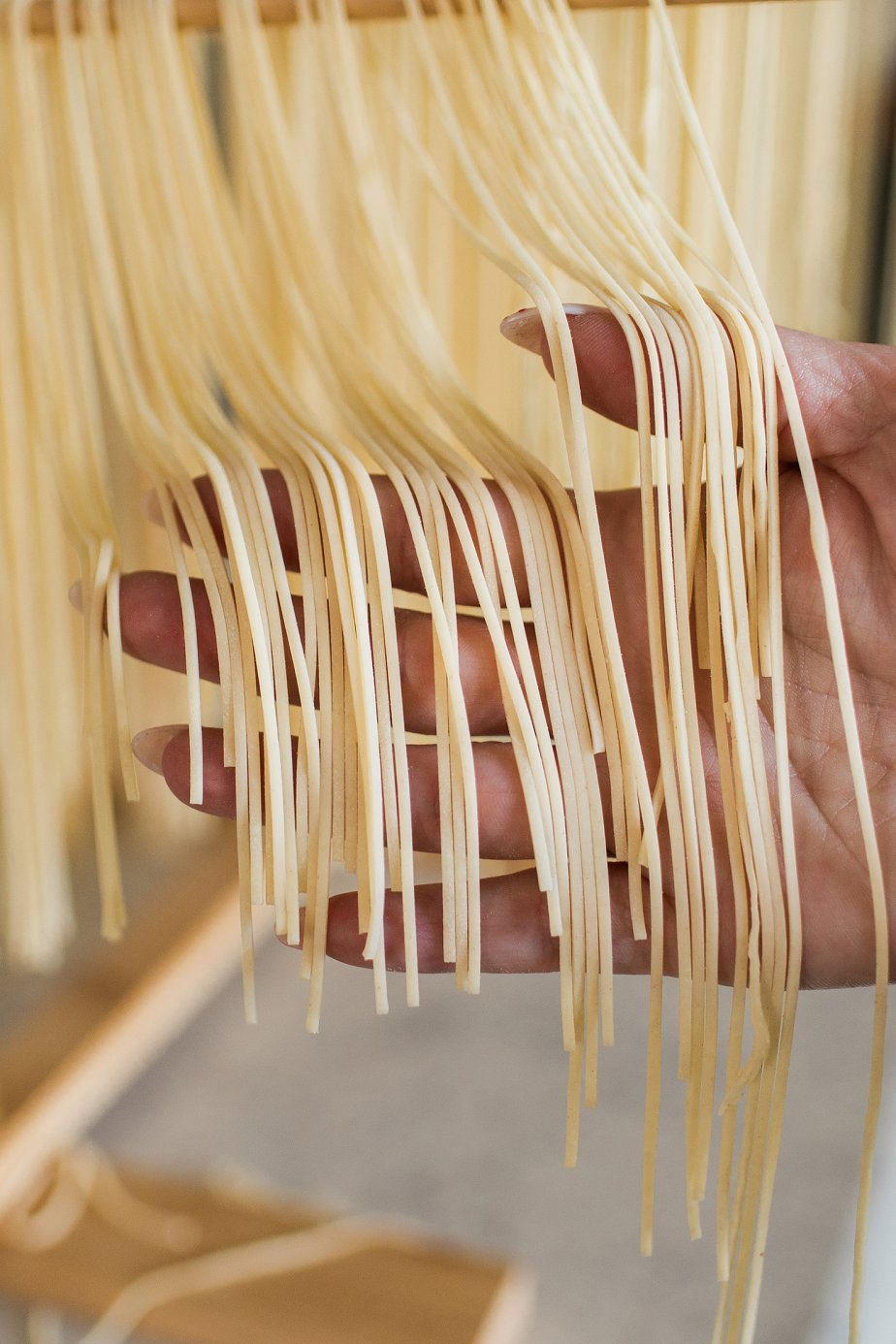
Pasta Dough Recipe
Makes: 2 servings
Ingredients:
- 1 cup 00 flour
- 1 large egg
- 2 tbsp water
Directions:
- In a large and shallow mixing bowl, add the flour and create a well in the middle with your hand.
- In a small bowl, whisk together the egg and water, and pour into the flour well.
- Using a fork or your fingers, slowly incorporate the egg with the flour until a shaggy crumble appears. You can continue bringing the dough together in the bowl or pour it out onto a clean work surface. It will take about a minute to get the dough to really come together. If some flour won’t incorporate, toss it.
- Knead the shaggy dough for 6-8 minutes until it becomes soft and smooth. Wrap tightly in plastic wrap and rest at room temperature for at least an hour or in the refrigerator for one night if you aren’t using it right away. Just make sure you bring it to room temperature when you are ready to use it.
- Work with the dough in two parts. Cut the dough into two equal sections using a bench knife and wrap the reserved piece of dough back in the plastic wrap to keep it from drying out.
- With your hands, press the working dough into the rough shape of a rectangle and feed it through your pasta rolling machine at the thickest level. Fold the rolled dough over onto itself and feed it through the roller again. You can do this a few more times if the dough needs a little extra strengthening or shaping.
- Change the thickness of the roller to the next thinnest option and continue feeding your pasta dough through the machine at a thinner and thinner setting until you reach the thinnest possible setting. The dough will be long and nearly paper-thin.
- Use the backs of your hands to transport the dough to a floured work surface. Cut your pasta shapes and repeat for the other portion of dough.
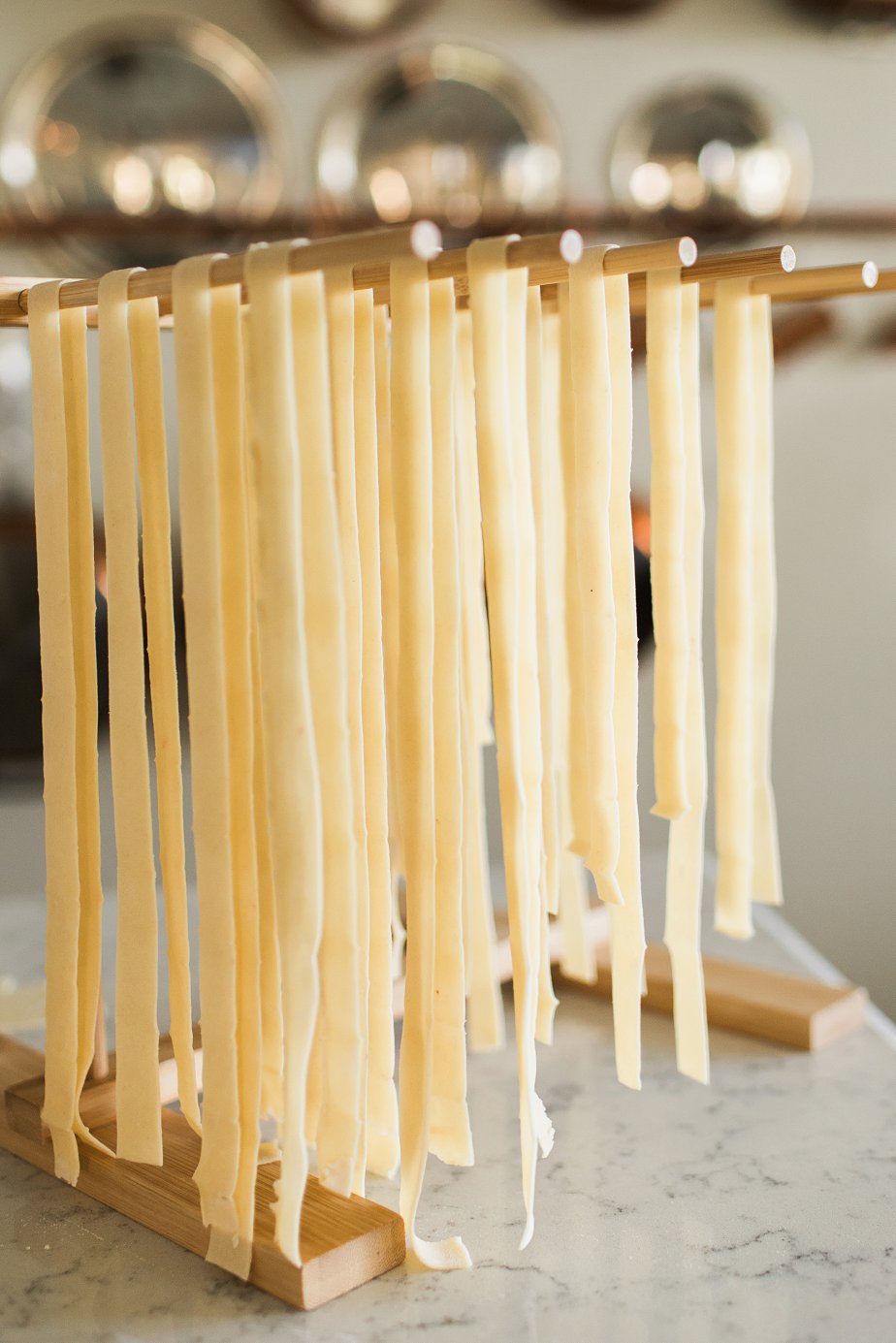
- Leave the cut pasta on the counter to dry before cooking so that it won’t stick together in the pot. Drying time will depend on the shape and size of the pasta. A minimum of 30 minutes for basic small shapes up to a few hours for larger sheets and ravioli. If you are storing the pasta, 24 hours is best.
- When you are ready to cook, bring a pot of well-salted water to a boil, reduce the heat, and add your pasta in batches so as not to overcrowd the pot. Fresh pasta can cook quickly in just a few minutes, so keep an eye on it and test the chew frequently. If you are making ravioli, wait for the ravioli to start floating at the top and cook for an additional few minutes.
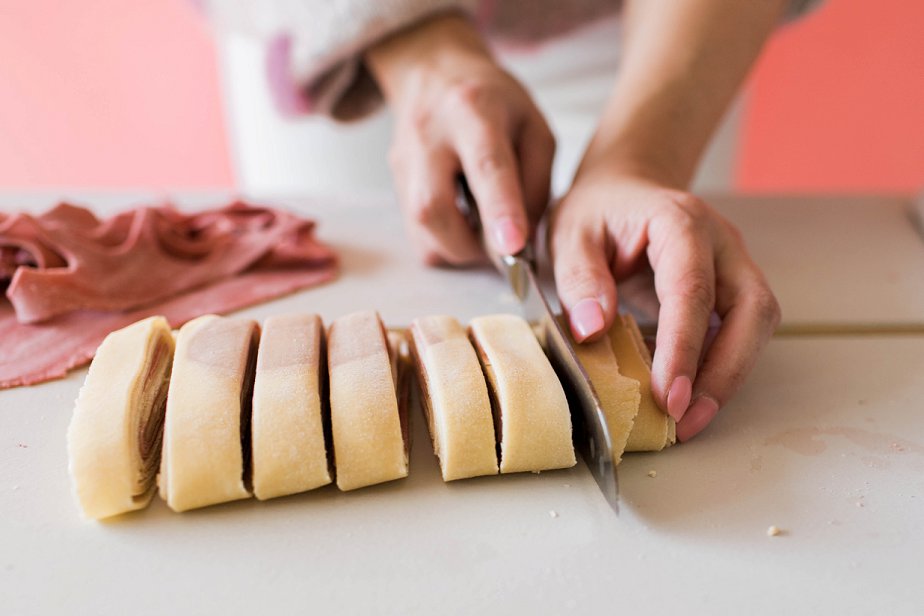
- If you are cutting pasta for the first time, try Pappardelle! To me, it’s the easiest shape and doesn’t require an extra cutter or machine attachment. Flour the top of the pasta sheet and roll loosely (like the photo above) before cutting into wide strips using a sharp knife. Gently unroll each Pappardella strand and hang or lay flat on a floured surface to dry.
- The recipe can be doubled, but make sure you are using proper amounts of eggs and water for good hydration. I recommend starting with this 2-serving-size recipe to get a feel for how hydrated the dough should be from the start.
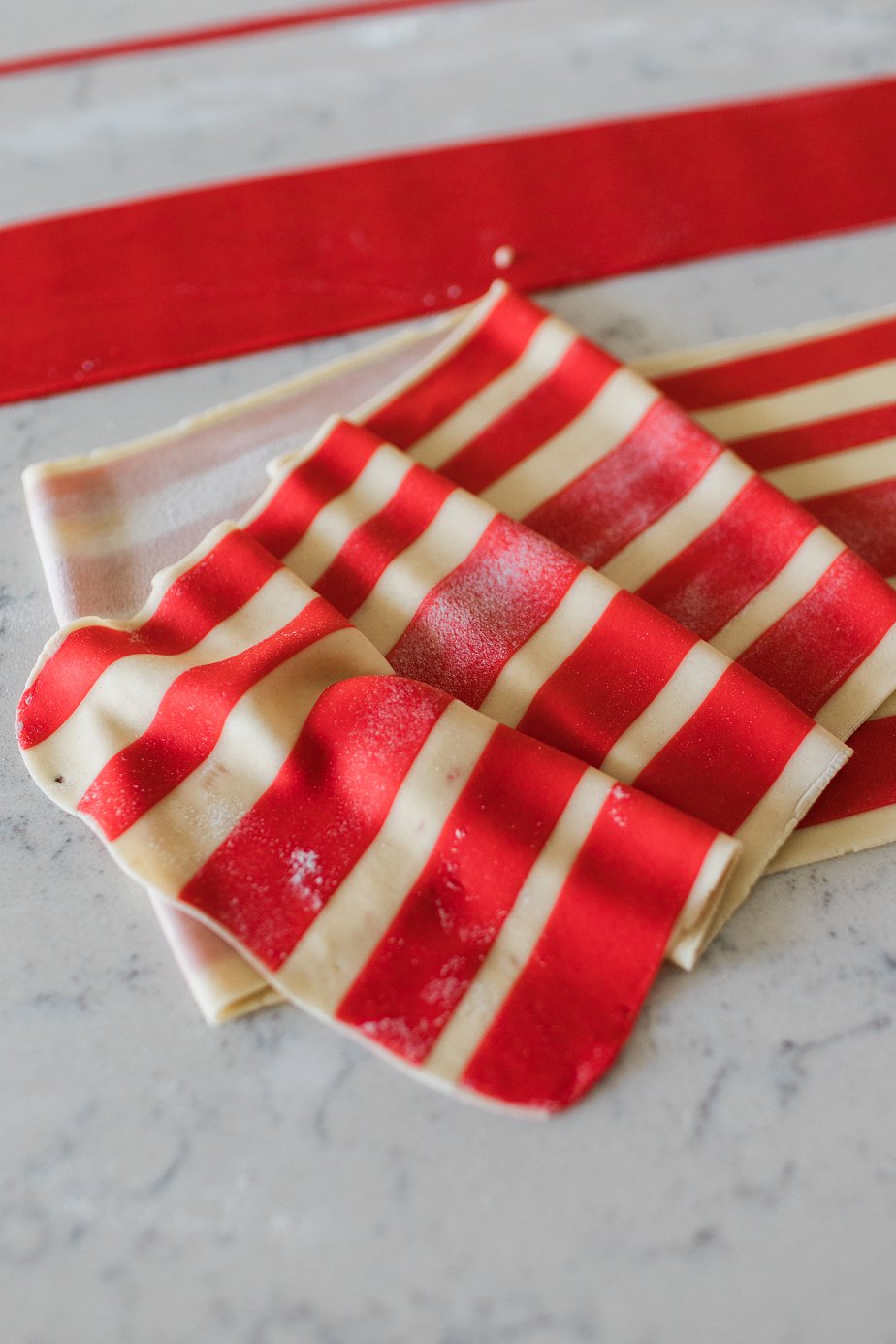
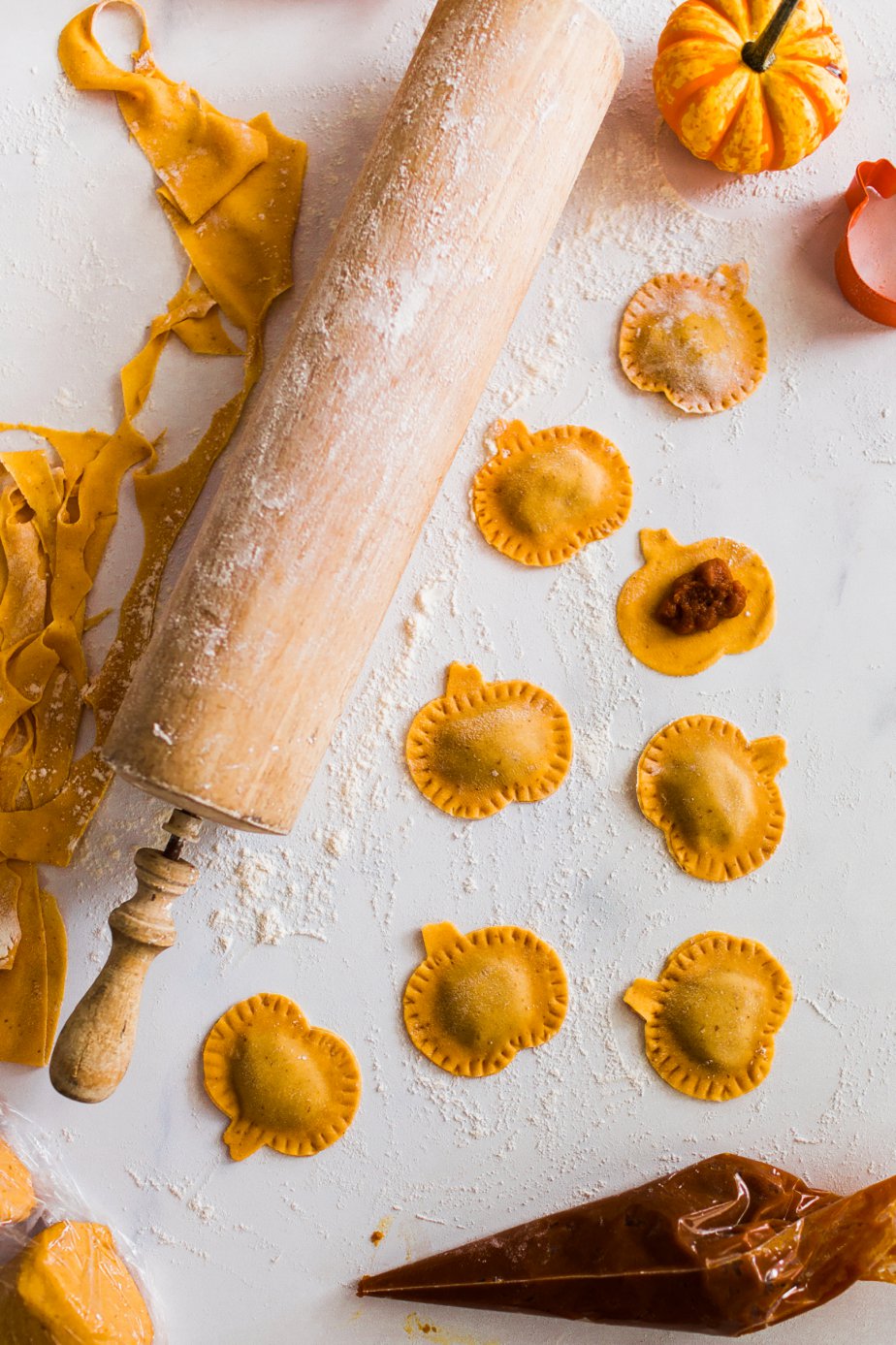
- If you want to color your dough, the color can be added to the whisked egg before mixing with the flour. A few drops of gel food coloring can be added to the recipe, or you can swap out the water for a natural colorant like pumpkin (below) or beet juice.
Pasta Dough 101
Ingredients
- 1 cup OO flour
- 1 large egg
- 2 tbsp water
Instructions
- In a large and shallow mixing bowl, add the flour and create a well in the middle with your hand.
- In a small bowl, whisk together the egg and water, and pour into the flour well.
- Using a fork or your fingers, slowly incorporate the egg with the flour until a shaggy crumble appears. You can continue bringing the dough together in the bowl or pour it out onto a clean work surface. It will take about a minute to get the dough to really come together. If some flour won't incorporate, toss it.
- Knead the shaggy dough for 6-8 minutes until it becomes soft and smooth. Wrap tightly in plastic wrap and rest at room temperature for at least an hour or in the refrigerator for one night if you aren't using it right away. Just make sure you bring it to room temperature when you are ready to use it.
- Work with the dough in two parts. Cut the dough into two equal sections using a bench knife and wrap the reserved piece of dough back in the plastic wrap to keep it from drying out.
- With your hands, press the working dough into the rough shape of a rectangle and feed it through your pasta rolling machine at the thickest level. Fold the rolled dough over onto itself and feed it through the roller again. You can do this a few more times if the dough needs a little extra strengthening or shaping.
- Change the thickness of the roller to the next thinnest option and continue feeding your pasta dough through the machine at a thinner and thinner setting until you reach the thinnest possible setting. The dough will be long and nearly paper-thin.
- Use the backs of your hands to transport the dough to a floured work surface. Cut your pasta shapes and repeat for the other portion of dough.
- Leave the cut pasta on the counter to dry before cooking so that it won't stick together in the pot. Drying time will depend on the shape and size of the pasta. If you are storing the pasta, 24 hours is best.
- When you are ready to cook, bring a pot of well-salted water to a boil, reduce the heat, and add your pasta in batches so as not to overcrowd the pot. Fresh pasta can cook quickly in just a few minutes, so keep an eye on it and test the chew frequently. If you are making ravioli, wait for the ravioli to start floating at the top and cook for an additional few minutes.